Contents





This guide breaks down exactly how to do carb loading before marathon using the foods already on your plate. And that too for the Indian athletes!
You’ve trained for months.
Your long runs are done.
The taper has begun.
Now comes one of the most critical—and most misunderstood—phases of marathon preparation: carb loading.
For Indian runners, this phase often triggers confusion. Most carb loading guides revolve around pasta dinners and bagels.
But what about the runner who eats dal, chawal, idli, and roti every single day?
The good news is that our Indian cuisine is naturally one of the best cuisines in the world for carb loading. You just need to know how to use it smartly.
Why Carb Loading Before Marathon Matters: Science Behind Glycogen

Your muscles store energy as glycogen—a form of glucose packed into muscle tissue.
During a marathon, glycogen serves as your primary fuel source for roughly the first 30 to 35 kilometers. Once those stores deplete, your muscles essentially lose their ability to sustain race pace.
Runners know this devastating moment as “hitting the wall.”
Your body can store approximately 500 grams of glucose as glycogen in skeletal muscles and another 100 grams in the liver. At marathon intensity, this fuel lasts roughly two to two and a half hours.
Carb loading is the deliberate strategy of maximizing these glycogen stores before race day, giving your muscles the largest possible fuel tank before the gun fires.
How Much Carb Loading Do You Actually Need?
Sports nutrition guidelines recommend consuming 8 to 12 grams of carbohydrates per kilogram of bodyweight daily during the carb loading window.
For a 65-kilogram Indian runner, that means 520 to 780 grams of carbohydrates per day spread across three days before race day.
That number sounds massive. It isn’t—once you understand how carb-dense Indian staples actually are.
A single serving of basmati rice contains roughly 45 grams of carbohydrates. Four idlis deliver approximately 33 grams. Two chapatis provide around 40 grams. A bowl of poha upma contributes nearly 45 grams.
Indian cuisine reaches these targets faster than most Western meal plans.
The key principle involves spreading carbohydrates evenly across three to five smaller meals throughout the day rather than cramming everything into one enormous dinner.
This approach maximizes glycogen storage while minimizing bloating, digestive discomfort, and the sluggish feeling that comes from overeating.
Explore more : Definitive Indian Marathon Nutrition Guide: This Will Ensure Guaranteed Success
When to Start: The 48-Hour Window
The most effective carb loading window falls within 36 to 48 hours before your marathon start.
If your race begins Sunday morning at 7 AM, start your carb loading protocol on Friday evening and continue through Saturday.
Earlier research suggested a full week of carb loading, but modern sports nutrition has simplified this considerably.
Combined with tapering your training volume three to five days before the race, a focused 48-hour carb loading window produces the same glycogen supercompensation without the bloating and heaviness that longer protocols create.
During this window, carbohydrates should constitute approximately 70 to 85 percent of your total caloric intake.
Reduce vegetable portions slightly—not because vegetables are bad, but because their fiber and volume take up space on your plate that carbohydrates need to fill.
Keep protein moderate for muscle maintenance, and minimize fat to ease digestion.
The Golden Rule: Stick to Familiar Foods
The two days before your marathon are the worst possible time to experiment with new foods, unfamiliar restaurants, or exotic preparations.
Your digestive system needs predictability. Any gastrointestinal distress on race morning can ruin months of training.
Stick exclusively to foods you eat regularly during training.
If your body handles idli and sambhar beautifully every weekend, that’s your carb loading food. If poha for breakfast has never caused you problems, eat poha.
Indian runners have a significant advantage here—the traditional Indian diet already centers on easily digestible, carb-rich staples that runners worldwide would envy.
Explore more : Keto Diet for Runners: Complete Guide with Indian Desi Foods
Indian Carb Sources: What Works Best for Marathon Fueling

Understanding which Indian foods deliver the most carbohydrates with the least digestive burden helps you build your carb loading meals strategically.
Tier 1: Best Carb Loading Foods (High Carb, Low Fiber, Easy Digestion)
White Basmati Rice delivers approximately 45 grams of carbohydrates per cooked cup. Its low fiber content means rapid digestion without bloating—exactly what marathon runners need during the loading phase. Basmati rice also has a moderate glycemic index, providing sustained energy release rather than a sharp blood sugar spike followed by a crash.
Idli provides roughly 8 grams of carbohydrates per piece with minimal fat and virtually no fiber. The fermentation process actually improves digestibility, breaking down complex starches into more accessible forms. Six to eight idlis deliver a solid carbohydrate dose without any heaviness. Idli also offers a small protein boost from the urad dal component—a bonus for muscle maintenance during taper week.
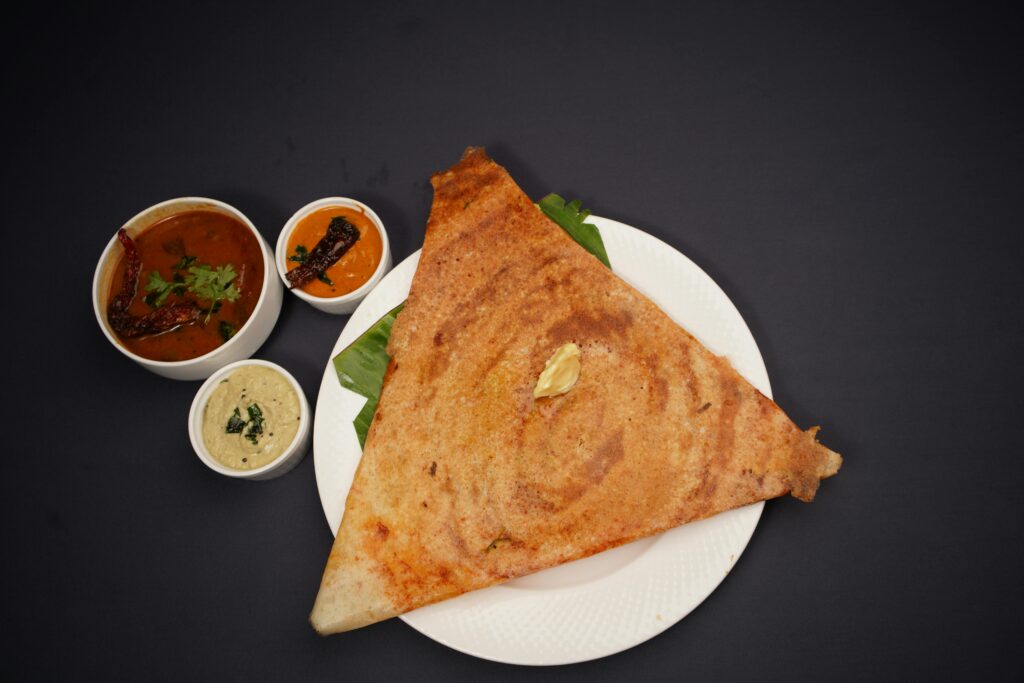
Plain Dosa contributes approximately 17 grams of carbohydrates per crepe with moderate digestibility. Plain dosa without heavy masala fillings keeps things simple and gentle on the stomach. Two to three plain dosas with a light chutney provide meaningful carbohydrate loading.
White Chapati/Roti offers around 20 grams of carbohydrates per chapati made from maida or refined atta. During carb loading, switching from whole wheat atta to refined atta reduces fiber intake, easing digestion. Two to three rotis per meal contribute substantially to your daily carb target.
Poha (Flattened Rice) delivers approximately 36 grams of carbohydrates per cooked cup. Poha digests quickly, absorbs flavors beautifully, and provides iron alongside carbohydrates—valuable for oxygen-carrying capacity during endurance events. Prepare it with minimal oil and light seasoning.
Explore more : Balanced Diet for Athletes(Indian Food) : Achieve Peak Performance
Tier 2: Good Options with Moderate Fiber
Upma (Rava/Semolina) provides 40 to 45 grams of carbohydrates per cup. Prepare it with minimal vegetables during the carb loading window to reduce fiber content. Plain upma with a touch of ghee and minimal spicing works perfectly.
Potatoes contribute roughly 26 grams of carbohydrates per medium potato. Boiled or steamed potatoes digest easily and pair wonderfully with Indian meals. Avoid fried preparations during carb loading—the added fat slows digestion unnecessarily.
Khichdi combines rice and dal in a single pot, delivering carbohydrates alongside protein. A standard serving provides 35 to 40 grams of carbs. Its naturally soft texture and gentle spicing make it an ideal evening meal during carb loading without overwhelming your digestive system.
Tier 3: Use Sparingly During Carb Loading
Brown Rice and Whole Wheat Roti contain more fiber than their refined counterparts. While normally excellent choices, their higher fiber content can cause bloating and digestive discomfort during the carb loading window. Switch to white rice and refined atta rotis for these two critical days.
Dal provides excellent protein but also contributes fiber that slows digestion. Include dal in moderate portions—a small bowl alongside your rice rather than a generous serving. The protein supports muscle maintenance without sabotaging your carbohydrate absorption.
Day-by-Day Indian Meal Plan: The 48-Hour Protocol
This sample plan assumes a 65-kilogram runner targeting approximately 600 grams of carbohydrates daily across the two-day loading window. Adjust portions based on your bodyweight and individual tolerance.
Friday (Day 1: Heavy Load ~485g Carbs)
| Meal | Foods | Approx Carbs |
|---|---|---|
| Breakfast | Large poha bowl (minimal oil, lemon), 1 banana | 85g |
| Mid-Morning | 2 plain chapatis + honey/jam | 45g |
| Lunch (Biggest) | 1.5 cups basmati rice + dal + aloo gobi (light) | 140g |
| Afternoon | 1 banana + 2 chapatis + apple juice | 75g |
| Dinner | 1 cup rice + dal + plain yogurt | 100g |
| Evening | Small upma OR 2-3 idlis + light chutney | 40g |
| Total | 485g |
Saturday (Day 2: Peak Load ~390g Carbs)
| Meal | Foods | Approx Carbs |
|---|---|---|
| Breakfast | 4-6 idlis + coconut chutney + small sambhar | 80g |
| Mid-Morning | Rice cakes OR 2 chapatis + honey | 40g |
| Lunch (Biggest) | 1.5-2 cups basmati rice + dal + mild veg curry | 150g |
| Afternoon | Banana + roasted popcorn OR plain biscuits | 40g |
| Dinner (Early, <6PM) | Small rice OR 2-3 chapatis + mild dal | 80-100g |
| Late Night | NONE (optimize sleep/glycogen) | 0g |
| Total | 390g |
Race Morning (2-3hr Pre-Start, 200-300 cal)
| Option | Foods |
|---|---|
| A | 3-4 idlis + coconut chutney + small sambhar |
| B | Simple poha (minimal oil) + banana |
| C | 2 chapatis + peanut butter/jam + banana |
Avoid anything you haven’t eaten before on race morning.
If coffee is part of your daily routine, drink it as usual—caffeine before a marathon can enhance performance, but don’t introduce it if you’re not accustomed to it.
Explore more : Heart Healthy Diet for Runners: Eat This for a Stronger Heart (with Indian Foods)
Hydration: Especially Critical in Indian Conditions

Indian marathons frequently take place in warm, humid conditions—Mumbai Marathon in January, Bengaluru Marathon in October, or various city marathons across the country.
Hydration during carb loading before marathon deserves equal attention alongside food.
Carbohydrates bind water as they convert to glycogen.
For every gram of glycogen stored, your muscles retain approximately three grams of water. This means proper carb loading naturally increases your hydration status—but only if you’re drinking enough water to support the process.
During the 48-hour loading window, aim to drink 2.5 to 3.5 liters of water daily.
Include electrolytes, particularly sodium, potassium, and magnesium, which support glycogen storage and prevent cramping during the race.
Traditional Indian drinks work well here.
- Coconut water provides natural electrolytes and gentle hydration without the artificial ingredients found in sports drinks.
- Buttermilk (chaas) offers potassium and probiotic benefits while contributing mild carbohydrates.
- A simple salted lemon water—nimbu paani with a pinch of black salt—delivers sodium and vitamin C without excess sugar.
Avoid excessive alcohol, caffeine beyond your normal intake, and sugary sodas during the loading window. These either dehydrate you or interfere with sleep quality during this critical recovery and storage phase.
Common Mistakes Runners Make During Carb Loading Before Marathon
Eating Too Much in One Sitting
The biggest error involves treating carb loading as permission to feast.
A massive thali dinner the night before your marathon doesn’t maximize glycogen—it guarantees bloating, poor sleep, and a sluggish feeling on race morning.
Spread your carbohydrates across five to six smaller eating occasions throughout the day.
Switching to “Special” Foods
Many Indian runners abandon their regular diet during carb loading, switching to pasta or bagels they’ve seen in international running guides.
If you don’t eat pasta regularly, introducing it two days before a marathon risks digestive problems you cannot afford.
Indian staples like rice, idli, roti, and poha are superior choices precisely because your gut already knows them.
Keeping Heavy Spices and Rich Gravies
Your regular Saturday night biryani with heavy raita might be perfectly fine during normal weeks.
During carb loading before marathon, heavy spice blends, rich oil-based gravies, and fried accompaniments slow digestion and can trigger stomach issues.
Simplify your preparations—plain rice with mild dal, idlis with coconut chutney, or simple poha with light seasoning.
Explore more : Heart Healthy Diet for Runners: Eat This for a Stronger Heart (with Indian Foods)
Ignoring Protein Entirely
Carb loading doesn’t mean eating only carbohydrates.
Moderate protein intake—from dal, paneer, eggs, or chicken—supports muscle maintenance during the taper period.
Aim for 1.2 to 1.6 grams of protein per kilogram of bodyweight alongside your elevated carbohydrate intake.
Neglecting Fiber Management
Suddenly increasing fiber intake during carb loading invites digestive chaos.
If you normally eat brown rice, switch to white rice.
If whole wheat roti is your daily staple, use maida roti for these two days.
Reducing fiber during loading isn’t about nutrition quality—it’s about keeping your digestive system calm and predictable before race day.
Explore more : These Recovery Tools For Runners Will Make You A Super-Hero
The Vegetarian Advantage
Indian vegetarian runners hold a natural advantage during carb loading.
The traditional Indian vegetarian diet already centers on rice, rotis, dal, and various grain-based preparations.
Building a carb loading plan requires minimal dietary adjustment—simply increasing portions of familiar staples while reducing vegetable volume and fiber.
Dal combined with rice creates a complete protein while delivering substantial carbohydrates from the rice component. Khichdi provides this combination in a single, easily digestible dish.
Paneer added to meals supplies protein without introducing digestive complications that some runners experience with meat before races.
During the Race: Sustaining What You Loaded
Carb loading fills your glycogen tank before the start. But a marathon depletes that tank completely.
Consuming 30 to 60 grams of carbohydrates per hour during the race sustains blood sugar and delays glycogen depletion—extending the point where you can maintain race pace.
Most Indian marathons provide aid stations with water, sports drinks, and sometimes bananas.
Supplement these with energy gels or chews you’ve practiced with during training.
If you prefer natural options, small pieces of dates (khajoor) or a banana work well, though practicing with these during long runs confirms your stomach handles them at race intensity.
The Bottom Line
Carb loading before marathon doesn’t require abandoning Indian food traditions for plates of pasta.
Rice, idli, roti, poha, upma, and khichdi are among the most effective carb loading foods available anywhere in the world. They’re familiar, digestible, and carbohydrate-dense—everything a marathon runner needs in those critical 48 hours before the start line.
The strategy is simple:
- increase your carbohydrate portions while keeping preparations light and familiar,
- spread meals throughout the day,
- reduce fiber temporarily,
- hydrate generously, and
- practice this protocol during training before committing to it on race week.
Trust the foods your body already knows.
Trust the science behind glycogen loading.
And trust that when you cross that finish line, your desi diet played a bigger role than you ever imagined.