Contents





The keto diet for runners has exploded in popularity worldwide, and Indian runners are increasingly curious about whether this high-fat, low-carb approach can improve their performance.
Many ultrarunners from other countries have achieved remarkable results on keto, but does it work for Indian athletes?
And more importantly, can you actually follow a ketogenic diet with traditional Indian foods?
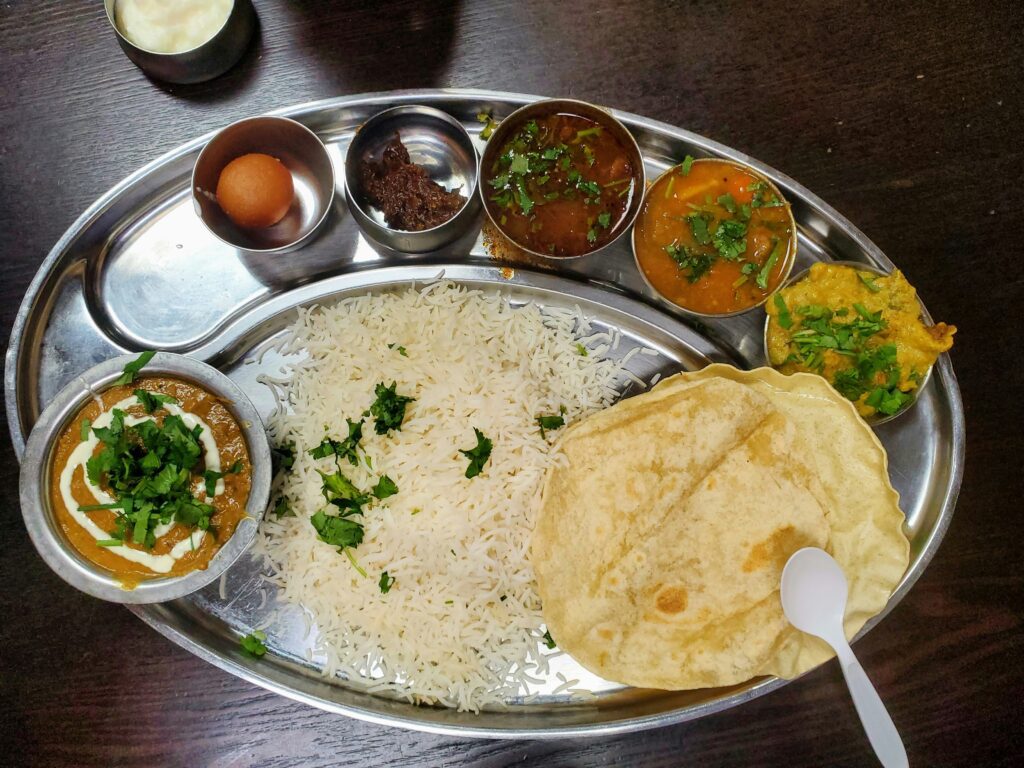
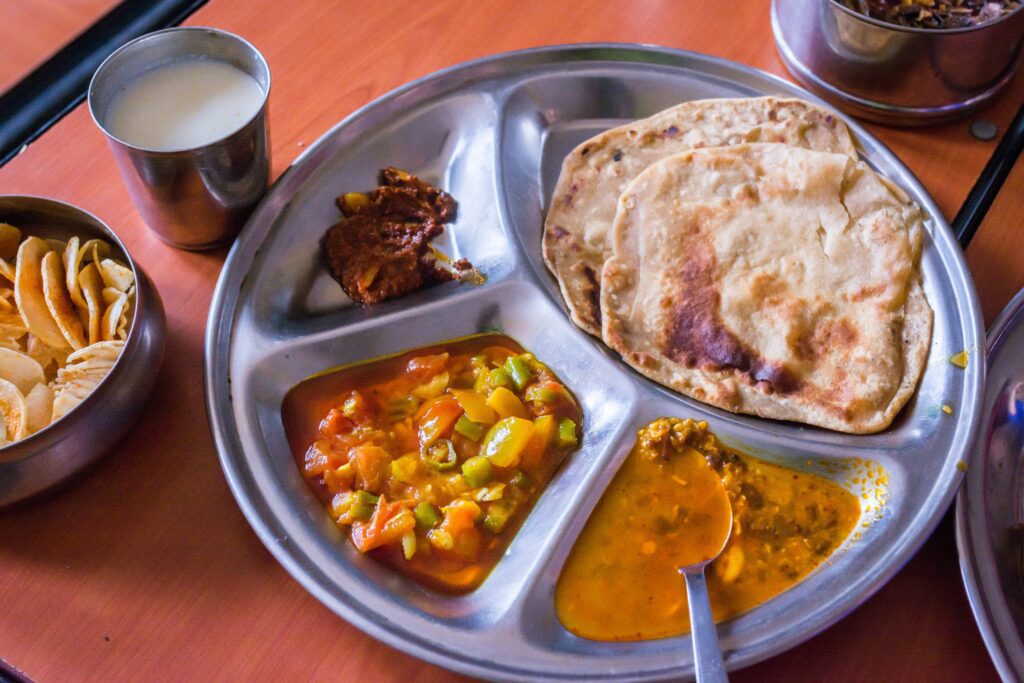
The challenge seems obvious: Indian cuisine is built around rotis, rice, dal, and sabzis—all carbohydrate-rich staples. Our traditional thalis seem incompatible with a diet that restricts carbs to just 20-50 grams daily. That’s less than one small bowl of rice or two chapatis!
But here’s the truth: Indian cuisine actually offers incredible keto-friendly options that many of us have overlooked.
From paneer and ghee to coconut-based curries and traditional high-fat dishes, our culinary heritage provides everything needed for keto diet for runners—if you know where to look.
This comprehensive guide examines whether –
- keto diet makes sense for Indian runners,
- how to follow it with traditional foods, and
- who will actually benefit from this approach.
What Is the Ketogenic Diet? Understanding the Basics
Before diving in further, let’s understand what “keto” actually means.
The Basic Principles
A ketogenic diet drastically reduces carbohydrate intake while increasing fat consumption and maintaining moderate protein levels. The standard macronutrient breakdown looks like:
- Carbohydrates: Less than 50 grams per day (often 20-30 grams), representing only 5-10% of total calories
- Fat: 60-80% of total calories
- Protein: 15-30% of total calories (moderate, not high)
For context, 50 grams of carbohydrates equals:
- 1 medium chapati (about 15-20g carbs)
- Half cup cooked rice (about 22g carbs)
- 1 medium banana (27g carbs)
- 2 tablespoons sugar (30g carbs)
It’s extremely restrictive and eliminates most of what we consider “normal” Indian meals.
How Ketosis Works in the Body
When carbohydrate intake drops dramatically, your body undergoes significant metabolic shifts. Normally, Indians running on traditional diets get 60-70% of calories from carbohydrates—rice, rotis, dal, and vegetables.
Research indicates glycogen stores (from carbohydrates) provide roughly 1,800-2,200 calories—enough for about 90 minutes to two hours of moderate running. This is why marathon runners traditionally consume bananas, glucose, or energy drinks during races.
When you severely restrict carbohydrates, your liver begins producing ketone bodies from fatty acids. These ketones provide energy to your brain and muscles when glucose is scarce—this metabolic state is called nutritional ketosis.
Fat Adaptation vs. Ketosis
Ketosis is a measurable metabolic state where your body produces ketones (typically 0.5-3.0 mmol/L in blood).
Fat adaptation means your body becomes efficient at utilizing fat as fuel, regardless of ketone production. This involves increased fat-oxidizing enzymes and enhanced metabolic pathways.
You can be fat-adapted without strict ketosis—for example, through periodic fasting (common during Navratri or Ramadan) or moderately low-carb diets.
Theoretical Benefits of Keto Diet for Runners
Unlimited Fuel Supply
Even relatively lean Indian runners carry enormous fat reserves. A 65 kg runner with 12% body fat carries approximately 7.8 kg of fat—about 70,200 calories worth of energy.
Compare this to 1,800-2,200 calories from glycogen, and the appeal becomes obvious.
If you could tap into fat efficiently, you’d have fuel for days without needing to stop at aid stations for bananas and glucose water.
Potential Weight Loss
Many Indian runners struggle with stubborn belly fat despite regular training. Our traditional diet—heavy on rice, rotis, and sweets—makes fat loss challenging even with consistent running.
Ketogenic diets often lead to fat loss while preserving muscle mass. For runners whose performance would benefit from being leaner, this represents a potential advantage.
Reduced Gastrointestinal Distress
Indian runners often experience stomach issues during long runs, especially after consuming heavy pre-run meals like parathas or poha(my favourite). Many also struggle with the sweet gels and sports drinks used during marathons.
Keto-adapted runners report fewer digestive problems when they rely less on frequent carbohydrate intake during events.
Better Blood Sugar Control
Type 2 diabetes and pre-diabetes affect millions of Indians, including many recreational runners. Ketogenic diets can improve insulin sensitivity and blood sugar control—benefits that extend beyond running performance.
What the Science Actually Shows
Theory sounds compelling, but performance is determined by evidence. Let’s examine what research reveals.
The Landmark Studies
A 2019 study published in Medicine and Science in Sports & Exercise examined trained endurance runners on strict ketogenic diets (78% fat, 4% carbohydrates) for 31 days.
Key findings:
The ketogenic diet significantly impaired exercise efficiency at intensities above 70% VO2max. Runners required more oxygen and burned more energy to maintain the same pace compared to their normal diets.
However, during slower-paced running (below 60% VO2max), exercise efficiency was maintained. This is roughly the pace you would run during easy morning runs or long Sunday training sessions.
The interpretation: Keto worked fine for slow, steady efforts but hurt performance at race paces for most runners.
Read : How to Improve VO2 Max and Running Economy: Best Workouts for Endurance
The FASTER Study: Elite Athletes
The 2016 study examined elite ultra-marathoners, including 10 following low-carb/ketogenic approaches for an average of 20 months.
Remarkable findings:
Keto-adapted athletes demonstrated peak fat oxidation rates 2.3-fold higher than high-carb athletes.
During a 180-minute submaximal run, keto-adapted runners derived 88% of energy from fat compared to 56% in high-carb runners.
Surprisingly, muscle glycogen concentrations showed no significant differences between groups—the body maintained glycogen stores despite drastically different diets.
The 2024 Systematic Review
A comprehensive 2025 review analyzed all available studies on ketogenic diets for endurance runners through October 2023.
Sobering conclusions:
Despite examining multiple studies involving 132 endurance runners, the review found no significant advantages or disadvantages for aerobic performance markers (VO2max, race times, time to exhaustion) compared to control diets.
Some studies reported beneficial body composition changes, but these didn’t translate to better running performance.
The Critical Intensity Threshold
Studies reveal a consistent pattern: ketogenic diets maintain performance during low-to-moderate intensity exercise (below 70% VO2max) but impair performance at higher intensities.
For practical reference:
- 70% VO2max: Long Sunday runs, easy recovery runs—conversational pace
- 80-90% VO2max: Marathon race pace, tempo runs—uncomfortable but sustainable
- 95%+ VO2max: 5K/10K race pace, intervals—very hard effort
Above 70%, carbohydrates remain superior fuel. Fat oxidation simply can’t meet the energy demands of racing or speed work.
Who Might Benefit from Keto Diet for Runners?
Ultra-Marathon Runners
The clearest beneficiaries of keto diet for runners are ultra-marathoners.
The events they run last many hours at relatively low intensities—exactly where fat adaptation provides advantages.
Why it works for ultras:
When you’re running for 6, 12, or 24+ hours through Himalayan trails, the ability to burn fat efficiently becomes invaluable.
Explore more : Ultimate Ultramarathon Nutrition Guide: Race Day Fueling Strategy (2026)
Runners Seeking Weight Loss
If you’re carrying excess weight that impacts your running and you’ve struggled with traditional Indian diets (despite eliminating sweets and fried foods), keto diet might help achieve a leaner physique.
Many Indians find it easier to maintain calorie deficit on keto diet due to increased satiety from fat and protein, without the constant hunger that comes from rice and roti-based diets.
Runners with Metabolic Health Concerns
Given India’s high prevalence of diabetes and metabolic syndrome, some runners adopt keto diet primarily for health reasons—managing blood sugar, improving insulin sensitivity, or reducing inflammation.
If your primary goal is health optimization and running is secondary, the performance trade-offs may be acceptable.
Runners Who Respond Well Individually
Some individuals genuinely thrive on keto diets. If you’ve experimented with keto and feel and perform better, that personal response matters more than average study results.
Who Should Probably Avoid Keto?
Runners Training for Speed
If your goal is running a fast Delhi Half Marathon, 10K Bengaluru, or Mumbai Marathon, ketogenic diets will likely impair your performance.
The evidence is clear: at race pace intensities, carbohydrates provide superior fuel. When you’re pushing hard and every second counts, and then using the most efficient fuel matters enormously.
A 2017 study on elite race walkers found that despite intensified training on keto, performance in a 10km race actually declined compared to the high-carb group.
Runners Doing High-Intensity Training
Speed work on the track, hill repeats at Sanjay Gandhi National Park (Mumbai) or Cubbon Park (Bengaluru), and tempo runs all demand high-intensity efforts that rely heavily on carbohydrate metabolism.
Attempting this training while restricting carbs compromises workout quality and increases injury risk.
Read : Trail Running for Beginners: Bharat’s Best Trails
New Runners or Those Returning After a Break
If you’re starting a running program with a local running group (like Mumbai Road Runners or Bangalore Running Club), adding dietary stress on top of training adaptation is unwise.
Beginning runners face enough challenges.
The keto adaptation period (2-6 weeks of reduced performance) makes starting running significantly harder.
Read : 10 Beginner Marathon Mistakes to Avoid: Essential Tips for Your Best Race
Anyone Unable to Commit Long-Term
The most important factor is consistency. Cycling in and out of ketosis prevents full fat adaptation and leaves you unable to efficiently burn either fat or carbs.
If you can’t commit to at least 4-6 weeks of strict adherence (preferably 2-3 months), don’t bother starting.
Keto-Friendly Indian Foods: Your Complete Guide

Here’s the good news: traditional Indian cuisine offers numerous keto-friendly options.
You don’t need to eat only Western foods like bacon and cheese.
High-Fat Proteins (The Foundation)
Paneer (cottage cheese):
- 100g provides: 18g protein, 20g fat, 3g carbs
- Use in bhurji, tikka, or curry
- Perfect keto protein source
Eggs:
- Boiled, scrambled (bhurji), omelettes
- Egg curry with coconut gravy
- Masala omelette with onions and green chillies
Chicken:
- Tandoori chicken (without marinade sweeteners)
- Chicken curry with cream or coconut milk
- Grilled chicken tikka
- Chicken seekh kebabs
Mutton:
- Mutton rogan josh (avoid potatoes)
- Keema (without peas)
- Grilled mutton chops
- Mutton soup with bone marrow
Fish:
- Bengali fish curry with mustard oil
- Pomfret fry
- Fish tikka
- Mackerel curry
- Salmon with butter
Prawns/Shrimp:
- Prawn curry with coconut milk
- Koliwada prawns (without excess coating)
- Tandoori prawns
Read : Balanced Diet(Indian food) for Athletes : For Peak Performance
Healthy Fats (Critical for Keto)
Ghee (clarified butter):
- The ultimate Indian keto fat
- Use liberally for cooking
- 1 tablespoon = 14g pure fat, 0g carbs
- Traditional and nutritious
Coconut:
- Fresh coconut (grated): high in healthy fats
- Coconut oil for cooking
- Coconut cream for curries
- Coconut chutney (without dal)
Mustard Oil:
- Traditional in Bengali and North Indian cooking
- High in healthy fats
- Perfect for fish preparations
Nuts and Seeds:
- Almonds (badaam): 6g carbs per 30g
- Walnuts (akhrot): 4g carbs per 30g
- Cashews (kaju): Higher carbs, eat sparingly
- Pumpkin seeds (kaddu ke beej)
- Sunflower seeds (surajmukhi ke beej)
- Chia seeds (sabja): excellent fiber
Full-Fat Dairy:
- Full-fat dahi (yogurt)
- Malai (cream)
- Butter (makhan)
- Full-fat milk (limit quantity due to lactose)
Read : The Ultimate Indian Marathon Nutrition Guide: What to Eat Before Race Day
Low-Carb Vegetables
Leafy Greens:
- Palak (spinach)
- Methi (fenugreek leaves)
- Sarson ka saag (mustard greens)
- Amaranth (chaulai)
- Coriander leaves
Other Vegetables:
- Cauliflower (gobi): excellent roti substitute
- Cabbage (patta gobi)
- Broccoli
- Bhindi (okra/lady finger)
- Capsicum (bell peppers)
- Cucumber (kheera)
- Tomatoes (limited quantities)
- Radish (mooli)
- Bottle gourd (lauki)
- Ridge gourd (turai)
- Bitter gourd (karela)
- Mushrooms
- Green beans (sem phali)
- Zucchini
Avoid These High-Carb Vegetables:
- Potatoes (aloo)
- Sweet potatoes (shakarkandi)
- Peas (matar)
- Corn (makai)
- Carrots (gajar) – small amounts okay
- Beetroot (chukandar)
Read : Heart Healthy Diet for Runners: Eating for a Stronger Heart (with Indian Foods)
Keto-Friendly Spices and Condiments
All traditional Indian spices are keto-friendly:
- Turmeric (haldi)
- Cumin (jeera)
- Coriander powder (dhaniya)
- Red chili powder (lal mirch)
- Garam masala
- Black pepper (kali mirch)
- Cinnamon (dalchini)
- Cardamom (elaichi)
- Cloves (laung)
- Mustard seeds (sarson/rai)
- Fenugreek seeds (methi dana)
- Curry leaves
- Ginger (adrak)
- Garlic (lehsun)
Chutneys and Accompaniments:
- Coconut chutney (without dal/lentils)
- Green chutney (coriander-mint)
- Raita (with full-fat dahi)
- Pickles (achaar) in oil—check labels for added sugar
Foods to Completely Avoid
Grains and Breads:
- Rice (chawal)
- Wheat rotis/chapatis
- Naan, kulcha, paratha
- Dosa, idli (rice-based)
- Poha, upma
- Bread, pav
- Biscuits, rusks
Lentils and Legumes:
- All dals (too high in carbs)
- Rajma (kidney beans)
- Chana (chickpeas)
- Chole
- Sprouts (high carb)
High-Sugar Items:
- All mithai (sweets)
- Jaggery (gur)
- Honey (shahad)
- Sugar (cheeni)
- Kheer, halwa
- Fruit juices
Certain Fruits:
- Bananas (kela)
- Mangoes (aam)
- Grapes (angoor)
- Apples (seb) – too high in carbs
- Chikoo (sapota)
Small amounts allowed:
- Berries (strawberries, raspberries)
- Watermelon (tarbooz) – small portions
- Papaya (papita) – small portions
- Guava (amrood) – small portions
Sample Keto Meal Plans for Indian Runners
Vegetarian Keto Meal Plan
Early Morning (Pre-Run):
- Bulletproof chai/coffee: Black tea/coffee with 1 tbsp ghee and 1 tbsp coconut oil
- 5-6 almonds
Post-Run Breakfast:
- Paneer bhurji cooked in ghee with onions and tomatoes
- 1 bowl of cucumber raita
- Green chutney
- Optional: 2 boiled eggs
Mid-Morning Snack:
- Handful of mixed nuts (almonds, walnuts)
- Green tea
Lunch:
- Palak paneer made with cream
- Cauliflower rice (gobi rice)
- Mixed vegetable curry (lauki, turai, bhindi in coconut cream)
- Small cucumber salad with lemon
Evening Snack:
- Full-fat dahi with chia seeds
- Cucumber slices with salt and chaat masala
Explore more : Carb Loading Before Marathon: Complete Indian Runner’s Guide (Fueling with Desi Foods)
Dinner:
- Egg curry with coconut gravy
- Sautéed methi (fenugreek) with garlic
- Side of pickled vegetables
- Small bowl of spinach soup with cream
Non-Vegetarian Keto Meal Plan
Early Morning (Pre-Run):
- Bulletproof coffee: Black coffee with 1 tbsp ghee
- 4-5 soaked almonds
Post-Run Breakfast:
- Masala omelette (3 eggs) with onions, tomatoes, green chillies
- Avocado slices (if available)
- Coconut chutney
Mid-Morning Snack:
- Chicken tikka pieces (leftover from dinner)
- Green tea
Lunch:
- Butter chicken (made with cream, no cashew paste)
- Cauliflower rice
- Cucumber raita
- Side of sautéed cabbage with jeera
Evening Snack:
- Handful of roasted pumpkin seeds
- Paneer cubes with chat masala
Dinner:
- Fish curry in mustard oil (Bengali style)
- Bhindi fry
- Mixed green salad with olive oil dressing
- Optional: Mutton soup
Weekend Long Run Meal Plan
Friday Dinner (Carb Loading Alternative):
- Grilled chicken/paneer
- Large mixed vegetable curry with coconut milk
- Cauliflower rice (if you must have “rice”)
- Extra ghee on everything
Saturday Morning (Pre-Long Run):
- 2 hours before run: Bulletproof chai with MCT oil
- 30 minutes before: Small piece of paneer or 2 boiled eggs
During Long Run (Over 90 minutes):
- Coconut water (in moderation—has natural sugars)
- Salted nuts
- Optional: Small piece of coconut
- Electrolyte water with salt
Post-Long Run:
- Large protein-rich meal
- Chicken/mutton/fish curry
- Paneer if vegetarian
- Plenty of green vegetables
- Full-fat dahi
Explore more : Hydration And Electrolytes for Runners: What Actually Speeds Recovery After Hard Runs
Practical Tips for Indian Keto Runners
Eating Out and Social Situations
At Restaurants:
- Order tandoori items without naan
- Ask for extra vegetables instead of rice/roti
- Request gravy dishes without cashew paste
- Choose coconut-based South Indian curries
- Skip the complimentary papad and bread basket
At Weddings and Parties:
- Load up on paneer dishes
- Choose tandoori chicken/fish
- Eat the sabzis, skip the rice and rotis
- Avoid all desserts and mithai
- Focus on conversation, not food
At Family Gatherings:
- Explain you’re experimenting with a new eating plan
- Offer to bring a keto-friendly dish
- Don’t preach or criticize others’ food choices
- Politely decline rotis and rice
- Accept that you’ll face questions and skepticism
Managing Indian Sweet Cravings
Indians are culturally conditioned to crave sweets after meals. Here’s how to manage:
Keto-Friendly Sweet Options:
- Full-fat dahi with a few drops of stevia
- Coconut burfi made with stevia (not sugar)
- Almond flour ladoos with ghee
- Sugar-free kheer made with coconut milk
- Dark chocolate (85%+ cocoa) – small amount
Mental Strategies:
- Recognize cravings usually pass within 10-15 minutes
- Drink chai with cream
- Eat something salty (pickle) to change taste
- Remember your running goals
Hydration and Electrolytes
Indian runners training in hot weather need to pay extra attention to hydration on keto.
Hydration Guidelines:
- Drink 3-4 liters of water daily (more in summer)
- Add a pinch of regular salt (namak) to water
- Make homemade electrolyte drink: water + salt + nimbu (lemon) + stevia
- Coconut water occasionally (has natural sugars)
- Nimbu paani without sugar
Essential Electrolyte Supplementation:
- Sodium: 3,000-5,000mg daily (extra namak)
- Potassium: Eat avocado, spinach, mushrooms
- Magnesium: 300-500mg supplement
- Consider a multivitamin
Shopping in Indian Markets
Where to Shop:
- Local sabzi mandi for fresh vegetables
- Chicken/mutton shops for fresh meat
- Modern Trade stores for cheese, butter, eggs
- Online (BigBasket, Amazon) for nuts, seeds, supplements
Budget Considerations:
- Eggs are most affordable protein (₹60-80/dozen)
- Paneer is expensive but versatile
- Chicken is reasonable
- Buy seasonal vegetables
- Ghee seems expensive but lasts long
- Almonds and walnuts cost more—buy in bulk
Cost-Effective Keto:
- Focus on eggs as primary protein
- Use seasonal vegetables
- Make your own ghee from butter
- Buy chicken with bones (cheaper)
- Skip expensive imported items
Training Modifications During Adaptation
Indian runners adapting to keto should adjust training:
Weeks 1-2:
- Do easy morning runs only
- Skip your track workouts temporarily
- Join running group only for easy-paced long runs
- Don’t attempt tempo runs or intervals
Weeks 3-6:
- Gradually reintroduce speed work
- Monitor how you feel
- Accept slower paces initially
- Focus on building fat adaptation
Weeks 6-12:
- Return to normal training structure
- Assess if this diet suits your goals
- Consider adding strategic carbs around hard workouts
Common Challenges for Indian Keto Runners
Challenge #1: Family Pressure
Indian families often express love through food. Refusing roti or rice can be seen as rejection.
Solutions/excuses:
- Explain it’s a temporary experiment
- Emphasize you’re eating more traditional foods (ghee, paneer, vegetables)
- Offer to prepare some meals yourself
- Show them research if they’re interested
- Don’t be preachy about your choices
Challenge #2: Cultural Festivals
Diwali, Holi, Eid, Christmas—every festival centers around sweets and special foods.
Solutions:
- Participate in other aspects of celebrations
- Bring keto-friendly dishes to share
- Plan diet breaks around major festivals if needed
- Focus on family time over food
- Remember your health goals
Challenge #3: Office Lunches
Most Indian offices provide rice/roti-based lunches or colleagues order together from restaurants.
Solutions:
- Bring your own lunch (paneer sabzi, egg curry)
- Order extra protein and vegetables when ordering out
- Skip the rice and rotis
- Keep nuts at your desk for snacks
- Don’t make a big deal about your eating
Challenge #4: Vegetarian Protein Sources
Indian vegetarian diets typically rely on dal for protein—but dal is too high in carbs for keto.
Solutions:
- Emphasize paneer (major protein source)
- Eat lots of eggs if you’re not pure vegetarian
- Use nuts and seeds strategically
- Consider protein powder (unflavored whey)
- Accept that vegetarian keto is more challenging
Challenge #5: The Cost Factor
Keto can be expensive—paneer, ghee, nuts, and meat cost more than rice and dal.
Solutions:
- Focus on eggs (most affordable)
- Buy seasonal vegetables
- Use chicken instead of mutton
- Make ghee at home from butter
- Buy nuts in bulk online
- Consider this an investment in health
Race Day Fueling: The Indian Context
For Ultra-Marathons(please practice with the food in training)
Pre-Race Meal (3-4 hours before):
- Paneer bhurji with extra ghee
- Mixed vegetable sabzi
- Cucumber raita
- Plenty of water
During Race:
- Salted nuts in small packets
- Coconut pieces
- Small amount of paneer cubes
- Electrolyte water with salt
- At aid stations: bananas only if absolutely needed
Post-Race Recovery:
- Large protein meal
- Chicken or mutton curry
- Plenty of vegetables
- Full-fat dahi
- Coconut water for hydration
For Marathons and Half-Marathons
Pre-Race Meal:
- If fully keto-adapted: high-fat breakfast (eggs, paneer)
- If not adapted: consider small amount of rice
- Never experiment on race day
During Race:
- Marathons: May need some carbs (bananas at aid stations)
- Half-marathons: Usually no fueling needed regardless of diet
- Always have backup options available
The Reality: Unless you’re fully keto-adapted (3+ months), use traditional fueling for important races. Dietary purity matters less than performance on race day.
The Adaptation Period: What Indian Runners Should Expect
The First Week: The “Keto Flu”
Most Indians experience significant discomfort initially—our bodies are highly adapted to carbs.
Common Symptoms:
- Severe fatigue (especially during runs)
- Headaches
- Irritability
- Difficulty concentrating
- Muscle cramps
- Sleep disturbances
Why It’s Worse for Indians:
- We typically eat 60-70% carbs (rice, roti, dal)
- Our bodies are very glucose-dependent
- The transition is more dramatic
Managing the Transition:
- Add extra namak/salt to everything
- Drink nimbu paani with salt
- Take magnesium supplements
- Reduce running volume temporarily
- Be patient—everyone goes through this
Weeks 2-4: Entering Ketosis
After initial misery subsides, you’ll start feeling better:
- More stable energy throughout the day
- Reduced hunger between meals
- Mental clarity returning
- Easy runs feeling relatively normal
However, race-pace running still feels difficult.
Weeks 4-12: Developing Fat Adaptation
True adaptation requires 2-3 months. During this period:
- Long Sunday runs become easier
- You can run longer without eating
- Morning runs on empty stomach feel fine
- High-intensity work may still feel compromised
Month 3+: Fully Keto-Adapted
By three months, you’ve achieved most adaptation. Individual variation is enormous—some adapt quickly, others never fully adapt.
Alternative Approaches: Metabolic Flexibility for Indians
You don’t need full keto to develop better fat-burning capacity.
Intermittent Fasting (Familiar to Indians)
Many Indians already practice fasting during Navratri, Ekadashi, or Ramadan. Use this tradition strategically:
- Skip breakfast 2-3 days weekly
- Do easy morning runs fasted
- Eat first meal around noon
- This promotes fat adaptation without full keto
Lower-Carb (Not Keto) Approach
Reduce carbs to 100-150g daily:
- One small bowl rice OR 2 rotis per day
- Focus on protein and vegetables
- Use plenty of ghee
- More sustainable for most Indians
Periodized Nutrition
Vary carb intake based on training:
- Low-carb days: Easy runs, rest days (no rice/roti)
- Moderate-carb days: Regular training (1 bowl rice)
- High-carb days: Long runs, speed work (normal portions)
This develops fat-burning while preserving performance. I prefer this than the others!
The Bottom Line
After examining the evidence and practical realities, here’s the honest truth:
When Keto Might Make Sense
Consider trying keto if you:
- Run primarily ultra-marathons at slower paces
- Can commit to 3-6 months of consistency
- Are willing to handle family and social pressure
- Want to lose stubborn belly fat
- Have metabolic health concerns (diabetes, pre-diabetes)
- Can afford the increased food costs
- Don’t mind being the “difficult” one at family meals
When Keto Probably Doesn’t Make Sense
Skip keto if you:
- Race 5K through marathon distances
- Focus on PRs and speed
- Can’t commit long-term
- Live in a joint family where separate cooking is difficult
- Train with high intensity regularly
- Already perform well on traditional diet
- Can’t afford increased food costs
- Value cultural food traditions highly
The Most Important Truth
The best diet is one that:
- Allows consistent training without excessive fatigue
- Supports recovery
- Helps maintain healthy body composition
- Provides energy for your intensity demands
- You can sustain long-term
- Makes you feel good
For most Indian runners pursuing traditional race distances at competitive paces, a balanced diet with adequate carbohydrates, protein, and healthy fats (including ghee!) remains optimal.
However, for ultra-runners competing at lower intensities, keto diet approaches may offer legitimate advantages—especially since we have such amazing high-fat traditional foods.
The keto diet for runners isn’t a magic solution, nor is it dangerous. It’s a tool with specific applications and trade-offs.
The challenge? Our cultural relationship with rice and roti runs deep. Changing this requires not just physical adaptation but mental and social adjustment.
If you’re curious about keto diet for runners, experiment during off-season, track your response honestly, give adequate time for adaptation, and let performance guide your decisions.
Now get out there and run—whether fueled by ghee or dal-chawal, what matters most is the miles you put in.