Contents





Run your first 5K – it is an achievable goal for almost anyone, regardless of current fitness level. Whether you’re looking to improve your health, challenge yourself, or simply cross “run a 5K” off your bucket list, this guide will walk you through everything you need to know to successfully complete your first 3.1-mile race.
Why Run a 5K?
The 5K distance is perfect for beginners. It’s challenging enough to feel like a real accomplishment but manageable enough that most people can train for it in 6-8 weeks.
Running regularly improves cardiovascular health, builds endurance, helps with weight management, and boosts mental wellbeing. Plus, crossing that finish line delivers an incredible sense of achievement that often hooks people on running for life.
Assessing Your Starting Point

Before beginning any training program, it’s important to know where you’re starting from. If you’ve been mostly sedentary, can walk for 30 minutes comfortably, and have no major health concerns, you’re ready to start a beginner 5K program. However, if you have any pre-existing health conditions, joint problems, or haven’t exercised in years, consult your doctor before starting.
Most beginners fall into one of three categories: those who can’t run at all yet, those who can run for a few minutes, or those who can run a mile or so but not the full 5K distance.
Your training approach will depend on your starting fitness level, but the good news is that all three types can successfully complete a 5K with proper training.
Essential Gear for Beginner Runners

You don’t need much to start running, but investing in proper running shoes is non-negotiable.
Visit a specialty running store where staff can analyze your gait and recommend shoes suited to your foot type and running style. Expect to spend Rs 5k-10k on quality running shoes, and replace them every 500-800 km.
Explore more – 7 Trail Running Equipment Must-Haves You Can’t Ignore (All Under ₹15,000)
Beyond shoes, wear moisture-wicking clothes rather than cotton, which stays wet and can cause chafing. Women need a supportive sports bra designed for running.
Optional but helpful items include a running watch or smartphone app to track distance and pace, and comfortable running socks that prevent blisters.
The Beginner’s 8-Week Training Plan

This plan uses a run-walk method, which is the safest and most effective approach for beginners. You’ll gradually increase running time while decreasing walking intervals.
Weeks 1-2: Run for 1 minute, walk for 2 minutes. Repeat 10 times. Do this three times per week with rest days in between.
Weeks 3-4: Run for 2 minutes, walk for 1 minute. Repeat 10 times. Continue three times weekly.
Weeks 5-6: Run for 3 minutes, walk for 1 minute. Repeat 7-8 times. You’re now running more than walking.
Weeks 7-8: Run for 5 minutes, walk for 1 minute. Repeat 5-6 times. In week 8, attempt one continuous run of 20-25 minutes.
Explore more – Weekly Running Training Plan: How to Structure In 2026 – Part 1
Always start with a 5-minute warm-up walk and end with a 5-minute cool-down walk. If any week feels too difficult, repeat it before moving forward. There’s no shame in taking things at your own pace.
Understanding Proper Running Form

Good running form prevents injuries and makes running feel easier.
Keep your posture upright with a slight forward lean from your ankles, not your waist. Your arms should swing naturally at your sides, bent at roughly 90 degrees, with relaxed shoulders. Land on your midfoot rather than your heels, and keep your steps quick and light rather than long and heavy.
Avoid overstriding—your foot should land under your body, not out in front.
Breathe naturally through both your nose and mouth. If you’re so breathless you can’t speak in short sentences, you’re running too fast. Slow down. Many beginners make the mistake of running too fast and burning out quickly.
Avoiding Common Beginner Mistakes

The biggest mistake new runners make is doing too much too soon. Increasing your mileage by more than 10% per week significantly raises injury risk. Stick to your training plan and resist the urge to skip ahead.
Another common error is running every day. Your body needs rest days to recover and build strength. Three to four running days per week is perfect for beginners. On rest days, you can do gentle activities like walking, swimming, or yoga, but avoid high-impact exercise.
Don’t ignore pain. Muscle soreness is normal, but sharp pain, pain that worsens during a run, or pain that doesn’t improve with rest needs attention. Many running injuries stem from ignoring early warning signs.
Explore more – Delayed Onset Muscle Soreness (DOMS): Definitive Guide to Faster Recovery
Nutrition and Hydration for Runners

You don’t need special sports nutrition for 5K training, but eating well supports your training.
Eat a balanced diet with plenty of carbohydrates for energy, protein for muscle recovery, and healthy fats. Time your meals so you’re not running on a full or empty stomach—a light snack 1-2 hours before running works well for most people.
Explore more – Definitive Indian Marathon Nutrition Guide: This Will Ensure Guaranteed Success
Stay hydrated throughout the day. For runs under 30 minutes, you don’t need to drink during the run, but make sure you’re well-hydrated before starting. Drink water when you’re thirsty and check that your urine is pale yellow.
Staying Motivated Throughout Training
Motivation naturally fluctuates during an 8-week training program. Sign up for an actual 5K race to give yourself a concrete goal and deadline. Having a race on the calendar makes training feel more purposeful.
Find a running buddy or join a local running group. Having someone to run with makes training more enjoyable and holds you accountable. Many communities have Couch to 5K groups specifically for beginners.
Explore more – Mental Strategies for Runners: Bulletproof Mindset for Performance
Track your progress using a running app or journal. Seeing how far you’ve come is incredibly motivating when training feels hard. Celebrate small victories along the way, like your first continuous 10-minute run or completing a particularly challenging training week.
Race Day Tips
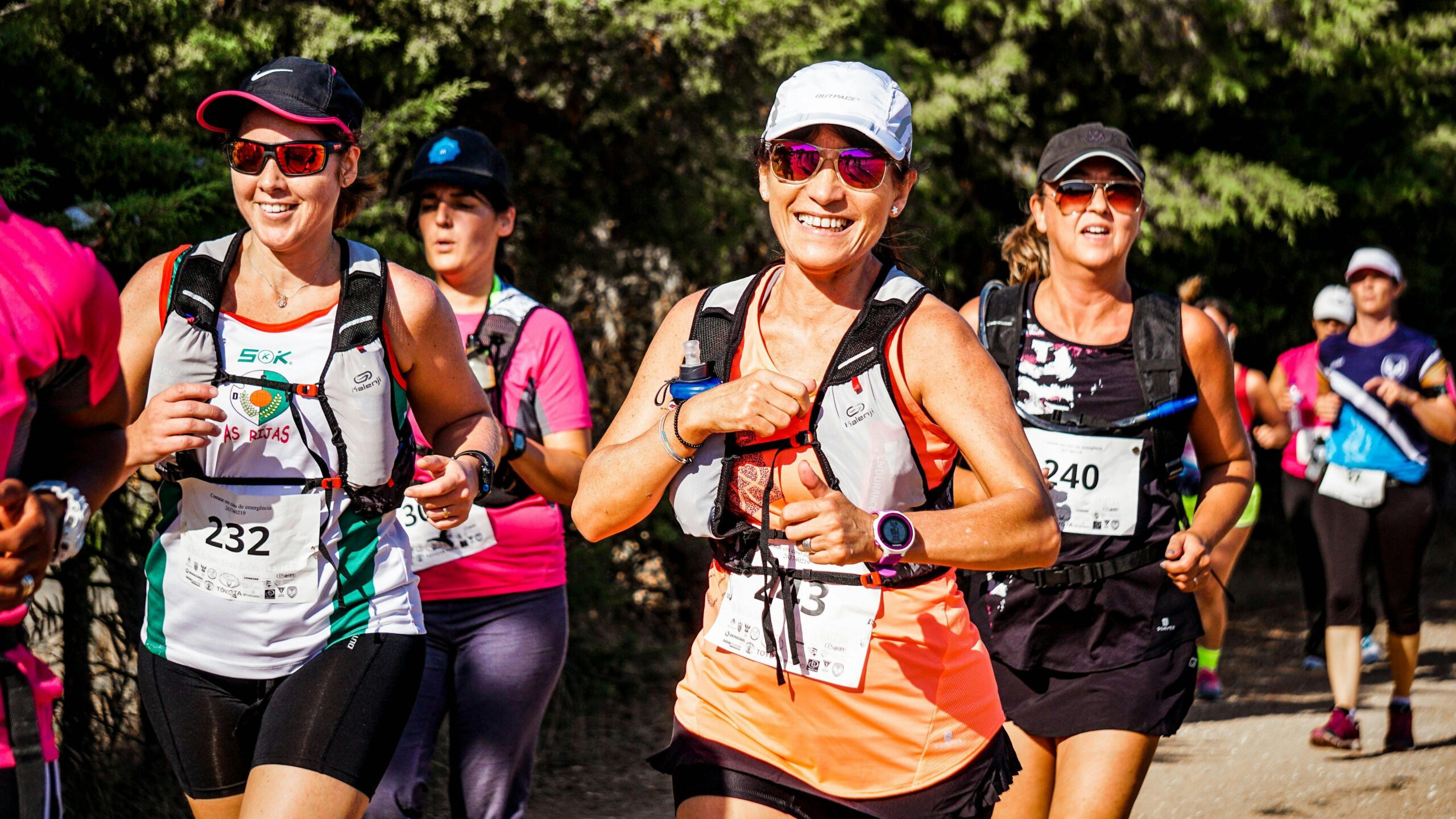
In the week before your race, reduce your training volume by about 50% to ensure you’re well-rested. Don’t try anything new on race day—wear your tried-and-true running shoes and clothes, and eat what you normally eat before training runs.
Arrive early to pick up your race bib, use the restroom, and warm up properly. Start near the back of the pack if you’re planning to use run-walk intervals. Don’t get caught up in the excitement and start too fast—stick to your training pace.
Most importantly, enjoy the experience. Your first 5K is about finishing, not finishing fast. Soak in the atmosphere, high-five spectators, and feel proud of what you’re accomplishing.
After Your First 5K
Once you’ve completed your first 5K, take a few days to rest and celebrate. Then decide what’s next. You might want to improve your 5K time, maintain your fitness with regular runs, or challenge yourself with a longer distance like a 10K.
Whatever you choose, remember that every runner started exactly where you are now. Running your first 5K is an achievement that proves you can set a goal and work toward it consistently. That mindset extends far beyond running and into every area of life.
The journey from non-runner to 5K finisher transforms not just your body but your confidence and self-belief. Lace up those shoes and take the first step—your first 5K finish line is waiting for you.