Contents





This guide provides seven authentic Indian low carb recipes for runners. Each recipe delivers the protein, healthy fats, and moderate carbs that support training, recovery, and performance — while tasting exactly like the food you actually want to eat.
You’ve heard that runners need carbs.
Lots of carbs.
Pasta the night before every run.
Energy gels during runs.
Rice and roti at every meal.
This is what every running magazine and nutrition guide tells you.
But you’ve also noticed something: those high-carb meals leave you feeling sluggish. Your energy crashes mid-afternoon. You’re constantly hungry an hour after eating. Your weight stays stubbornly high despite running 30-40 kilometers weekly.
Here’s what traditional running nutrition advice misses: not every runner thrives on high-carb diets. Many runners perform better on moderate to low-carb eating that stabilizes blood sugar, reduces inflammation, and trains the body to burn fat efficiently during long runs.
The challenge for Indian runners is that most low-carb recipes online feature unfamiliar Western foods. You don’t want cauliflower rice disguised as fried rice.
You want actual Indian food that tastes right, uses ingredients you can find easily, and fuels your running without the carb crashes.
Understanding Low-Carb for Runners (Not Keto)
Before diving into recipes, clarifying what “low-carb” means for active runners prevents confusion.
Low-Carb vs. Keto: The Critical Difference
Ketogenic diets restrict carbs to 20-50 grams daily, forcing your body into ketosis where it burns primarily fat for fuel. This works for some runners but requires strict adherence and a 2-4 week adaptation period where performance suffers.
Low-carb diets for runners typically allow 75-150 grams of carbs daily — enough to support training without the blood sugar roller coaster that 300+ gram carb diets create. You’re not in ketosis, but you’re teaching your body to burn fat alongside carbs efficiently.
This moderate approach lets you fuel hard workouts with strategic carbs while maintaining stable energy during easy runs and daily life.
Explore more : 5 Easy Indian Keto Recipes For Runners That Fuel Your Runs (Without Carb Crashes)
The Fat-Adaptation Advantage
Research published found that endurance athletes on lower-carb, higher-fat diets showed dramatically increased fat oxidation rates during exercise. They burned fat more efficiently, preserving glycogen for when intensity increased.
For runners, this means you can run longer before hitting the “wall” — that point where glycogen depletes and running feels suddenly impossible. Your body becomes metabolically flexible, using both fat and carbs as fuel depending on intensity.
Carb Timing for Runners
On low-carb approaches, when you eat carbs matters as much as how many:
Before hard workouts: 25-40g carbs 1-2 hours before intervals or tempo runs
After long runs: 30-50g carbs within 30 minutes to replenish glycogen
Easy run days: 15-25g carbs from vegetables, minimal starchy carbs
Rest days: 10-20g carbs, focus on protein and healthy fats
Strategic carb timing means you fuel performance when it matters while staying low-carb the rest of the time.
Explore more : Carb Loading Before Marathon: Complete Indian Runner’s Guide (Fueling with Desi Foods)
Recipe 1: Methi Chicken (Fenugreek Chicken Curry)
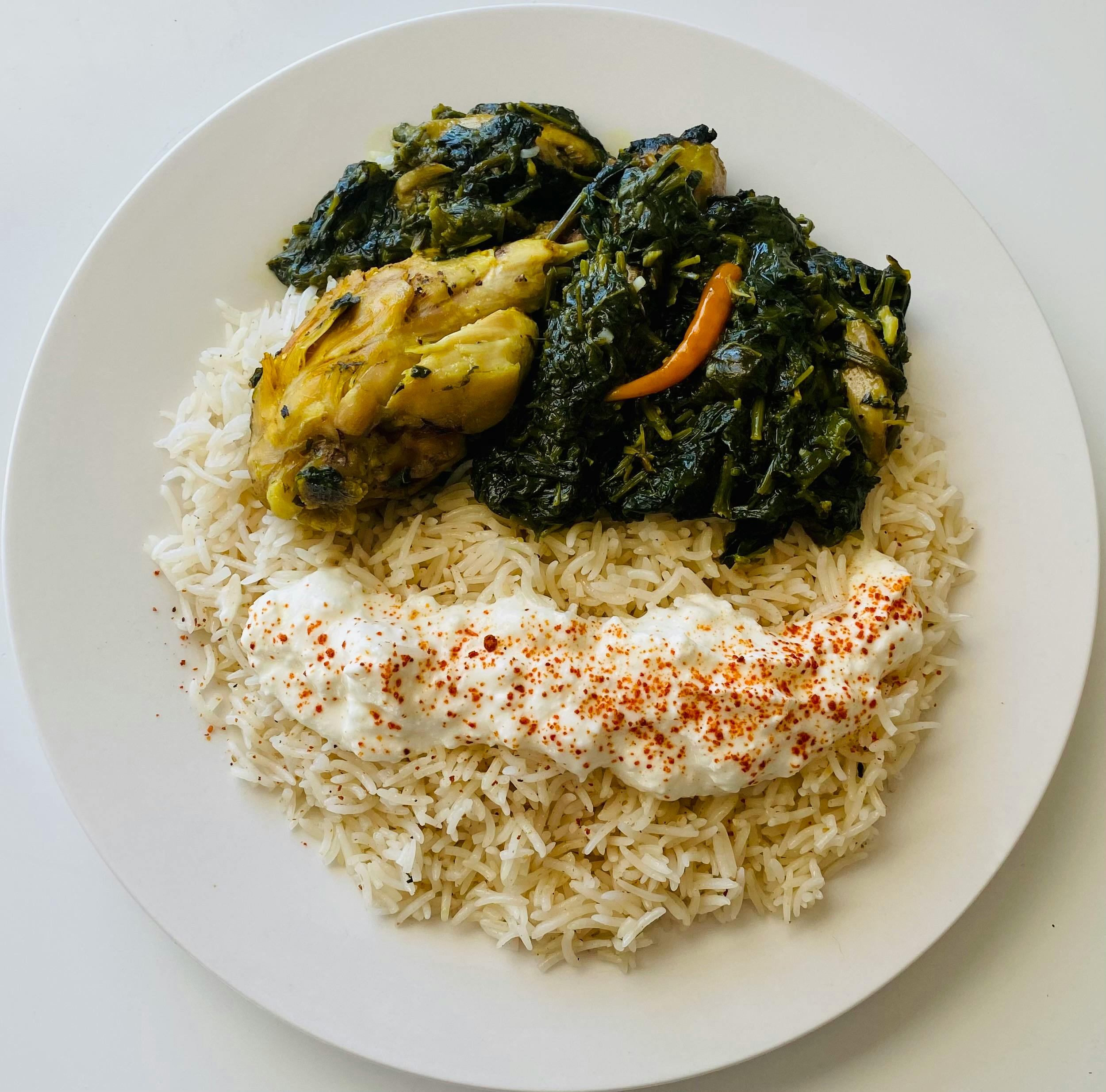
This protein-rich North Indian dish provides 35g of protein per serving with minimal carbs and plenty of flavor from fresh fenugreek leaves.
Ingredients (Serves 4)
Main ingredients:
- 600g boneless chicken (thighs or breast), cut into pieces
- 2 cups fresh methi (fenugreek) leaves, washed and chopped
- 1 large onion, finely chopped
- 3 medium tomatoes, pureed
- 1/2 cup full-fat yogurt (dahi)
- 4-5 garlic cloves, minced
- 1-inch ginger, minced
- 2 green chilies, slit
Spices:
- 1 tsp cumin seeds
- 1 tsp coriander powder
- 1/2 tsp turmeric powder
- 1 tsp red chili powder
- 1 tsp garam masala
- 1/2 tsp kasuri methi (dried fenugreek leaves)
- Salt to taste
Cooking fat:
- 3 tbsp ghee or coconut oil
Explore more : Creatine for Runners: Enhances Endurance or Cause Weight Gain?
Preparation Method
Step 1: Wash and chop fresh methi leaves. Set aside. If using, add a pinch of salt to reduce bitterness, then rinse.
Step 2: Heat ghee in a heavy-bottomed pan or kadhai over medium heat. Add cumin seeds and let them splutter for 20 seconds.
Step 3: Add chopped onions and sauté until golden brown, about 8-10 minutes. Don’t rush this — caramelized onions add essential depth.
Step 4: Add ginger, garlic, and green chilies. Sauté for 2 minutes until fragrant.
Step 5: Add chicken pieces and sear on high heat for 4-5 minutes until they develop a light golden color on all sides.
Step 6: Add turmeric, coriander powder, red chili powder, and salt. Mix well to coat chicken evenly.
Step 7: Pour in tomato puree and mix thoroughly. Cook on medium heat for 5-6 minutes until oil separates from the masala.
Step 8: Whisk yogurt until smooth and add to the pan. Stir immediately to prevent curdling. Cook for 3-4 minutes.
Step 9: Add chopped methi leaves. Mix well and cover. Cook on low heat for 15-20 minutes until chicken is tender and cooked through.
Step 10: Add garam masala and kasuri methi. Stir and cook for another 2-3 minutes.
Step 11: Garnish with fresh coriander. Serve hot with cauliflower rice or cucumber-tomato salad.
Nutritional Information (Per Serving)
- Calories: 340
- Protein: 35g
- Fat: 18g
- Net Carbs: 8g
- Fiber: 3g
Runner’s Notes
The high protein content (35g) makes this ideal for post-run recovery meals. Chicken thighs provide more flavor and healthy fats than breast meat, keeping you satisfied longer.
Fenugreek leaves contain compounds that help regulate blood sugar and reduce inflammation — both valuable for runners managing training stress.
Eat this 3-4 hours before evening runs or as a recovery dinner after morning runs. Pair with a large vegetable salad to add fiber and micronutrients.
Recipe 2: Mushroom and Spinach Sabzi
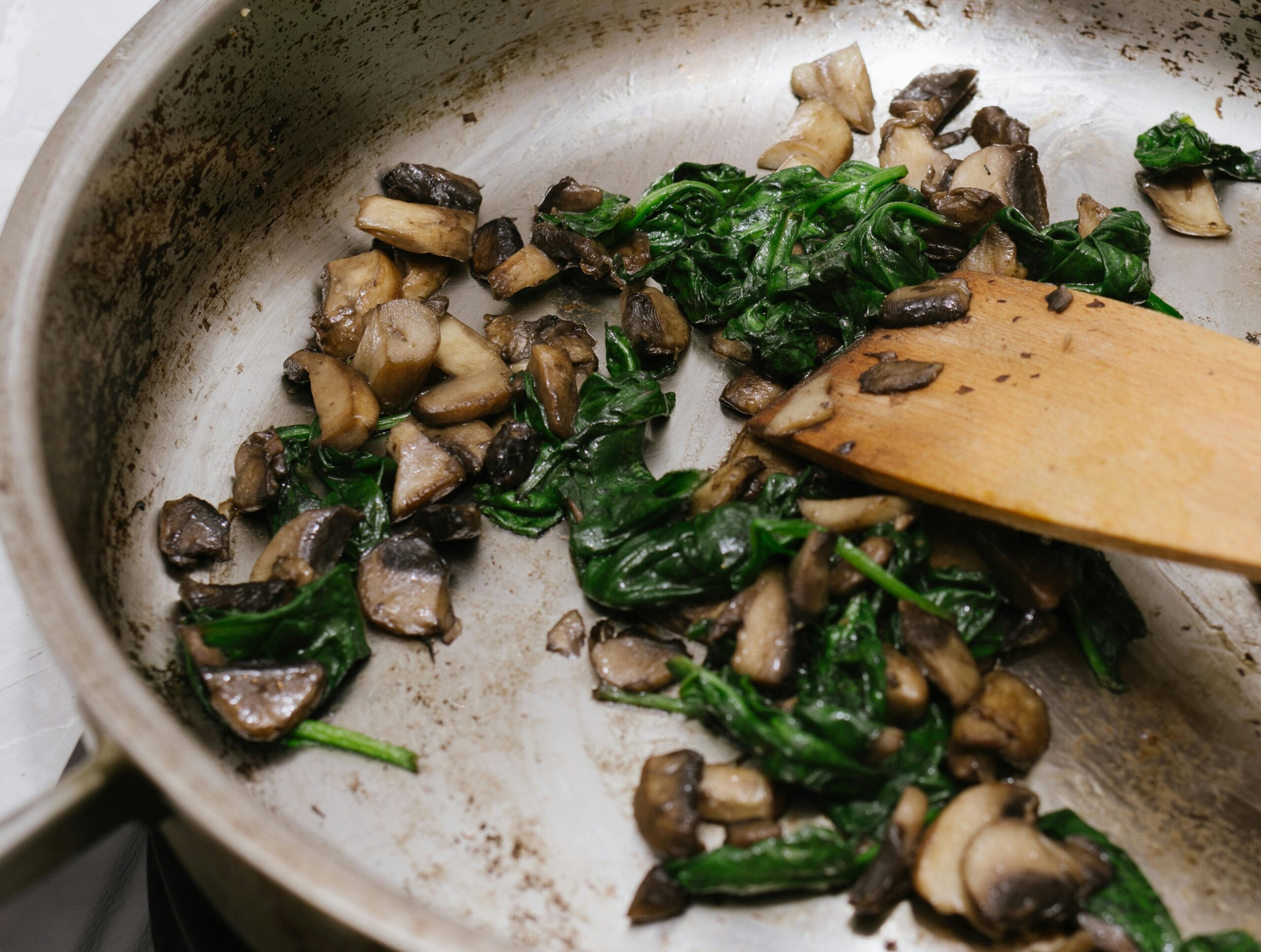
This vegetarian option delivers iron from spinach, B-vitamins from mushrooms, and satisfying umami flavor — all with just 6g net carbs per serving.
Ingredients (Serves 4)
- 400g button mushrooms, cleaned and sliced
- 300g fresh spinach (palak), washed and roughly chopped
- 1 large onion, finely chopped
- 2 medium tomatoes, chopped
- 3-4 garlic cloves, minced
- 1-inch ginger, minced
- 2 green chilies, chopped
- 1 tsp cumin seeds
- 1/2 tsp turmeric powder
- 1 tsp coriander powder
- 1/2 tsp garam masala
- 3 tbsp ghee or olive oil
- Salt to taste
- Fresh coriander for garnish
Explore more : How Much Protein Do Runners Need? Most Get It Wrong..Always!
Preparation Method
Step 1: Clean mushrooms with a damp cloth (don’t soak them — they absorb water). Slice them evenly.
Step 2: Heat 2 tbsp ghee in a large pan. Add sliced mushrooms and sauté on high heat for 5-6 minutes until they release moisture and turn golden. Remove and set aside.
Step 3: In the same pan, add remaining ghee and cumin seeds. Let them crackle.
Step 4: Add chopped onions and cook until translucent, about 5 minutes.
Step 5: Add ginger, garlic, and green chilies. Sauté for 1-2 minutes.
Step 6: Add tomatoes, turmeric, coriander powder, and salt. Cook until tomatoes soften and oil separates, about 6-7 minutes.
Step 7: Add chopped spinach and cook on medium heat until wilted, about 4-5 minutes. Stir occasionally.
Step 8: Return sautéed mushrooms to the pan. Mix well and cook for 3-4 minutes so flavors combine.
Step 9: Add garam masala and mix. Cook for another minute.
Step 10: Garnish with fresh coriander and serve hot.
Nutritional Information (Per Serving)
- Calories: 165
- Protein: 8g
- Fat: 12g
- Net Carbs: 6g
- Fiber: 4g
Runner’s Notes
This lighter dish works perfectly for lunch on rest days or easy run days when you don’t need heavy refueling.
Spinach provides iron crucial for oxygen transport during running. Mushrooms offer vitamin D (rare in vegetarian foods) which supports bone health and immune function.
Pair with 100g of paneer or 2 boiled eggs to increase protein content to 20-25g for a complete recovery meal.
Recipe 3: Tandoori Fish with Mint Chutney
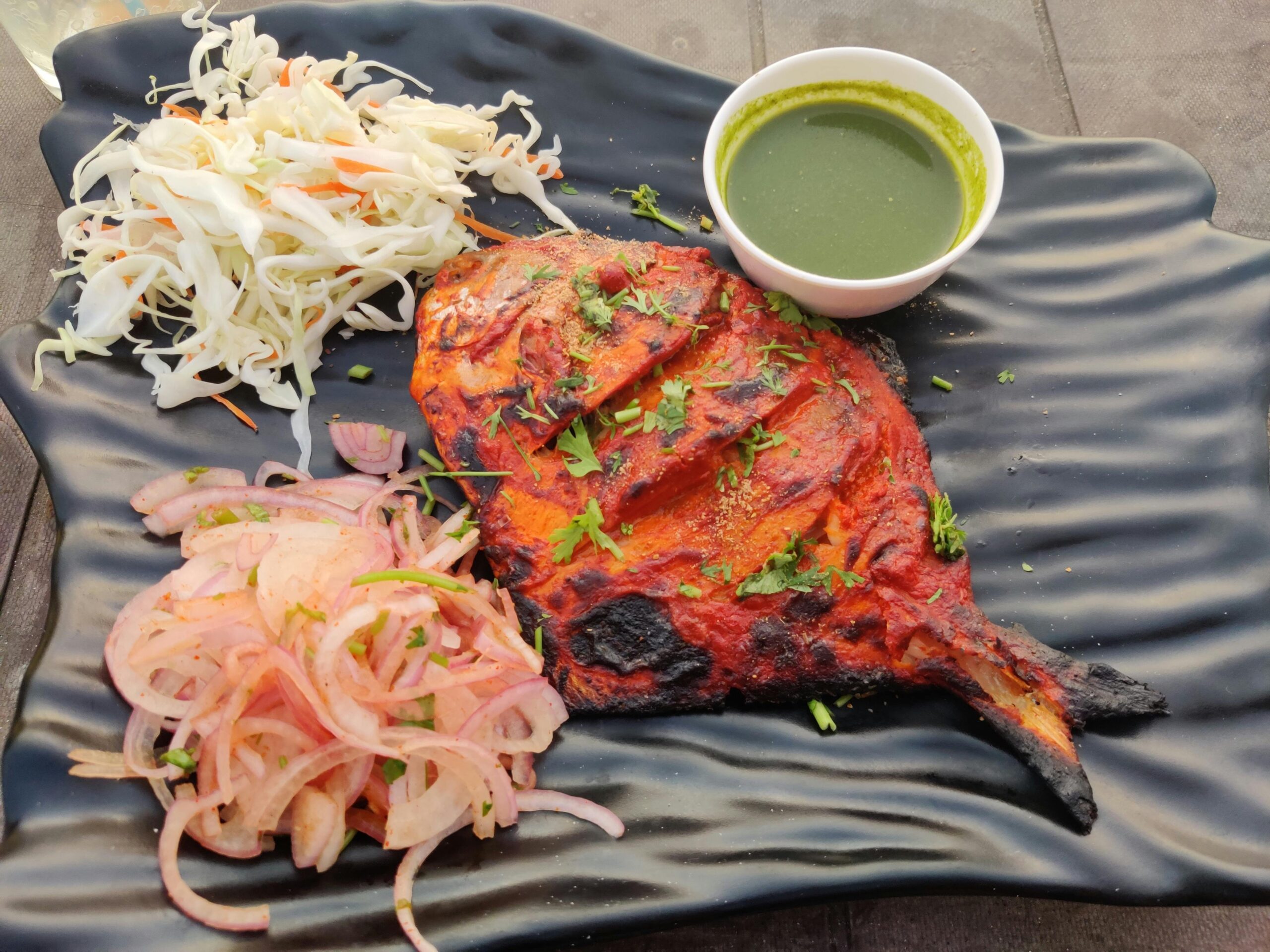
This high-protein, zero-carb main course provides omega-3 fatty acids from fish and fresh herbs — perfect for reducing inflammation after hard training sessions.
Ingredients (Serves 4)
For the fish:
- 600g firm white fish (surmai, pomfret, or tilapia), cut into steaks or fillets
- 1 cup full-fat yogurt
- 2 tbsp lemon juice
- 1 tbsp ginger-garlic paste
- 1 tsp red chili powder
- 1 tsp coriander powder
- 1/2 tsp turmeric powder
- 1 tsp garam masala
- 1/2 tsp cumin powder
- 2 tbsp mustard oil or ghee
- Salt to taste
- Chaat masala for garnish
For mint chutney:
- 2 cups fresh mint leaves
- 1/2 cup fresh coriander leaves
- 2 green chilies
- 1-inch ginger
- 2 tbsp lemon juice
- 1/4 tsp roasted cumin powder
- Salt to taste
- 2 tbsp water (if needed)
Explore more : Balanced Diet for Athletes(Indian Food) : Achieve Peak Performance
Preparation Method
Fish preparation:
Step 1: Pat fish dry with paper towels. Make shallow cuts on both sides to help marinade penetrate.
Step 2: In a bowl, combine yogurt, lemon juice, ginger-garlic paste, all spices, and salt. Whisk until smooth.
Step 3: Coat fish pieces thoroughly with marinade. Refrigerate for 30 minutes to 2 hours (longer = more flavor).
Step 4: Preheat oven to 200°C or prepare a grill. Line a baking tray with foil and brush with oil.
Step 5: Place marinated fish on the tray. Brush with mustard oil or ghee.
Step 6: Bake/grill for 15-20 minutes, flipping halfway through, until fish is cooked through and slightly charred at edges.
Step 7: Sprinkle chaat masala and garnish with lemon wedges.
Mint chutney:
Step 1: Add all chutney ingredients to a blender. Blend until smooth. Add water only if needed for consistency.
Step 2: Adjust salt and lemon to taste. Store in refrigerator for up to 4 days.
Nutritional Information (Per Serving with Chutney)
- Calories: 245
- Protein: 32g
- Fat: 10g
- Net Carbs: 4g
- Fiber: 1g
Runner’s Notes
Fish provides complete protein with all essential amino acids needed for muscle repair. Omega-3 fatty acids reduce inflammation from training stress.
The yogurt marinade adds probiotics for gut health and additional protein. This matters because gut health directly impacts nutrient absorption and immune function for runners.
Eat this the night before long runs or important races. The lean protein digests easily overnight, providing amino acids for muscle support without weighing you down.
Recipe 4: Cabbage and Moong Dal Stir-Fry (Patta Gobi Moong)
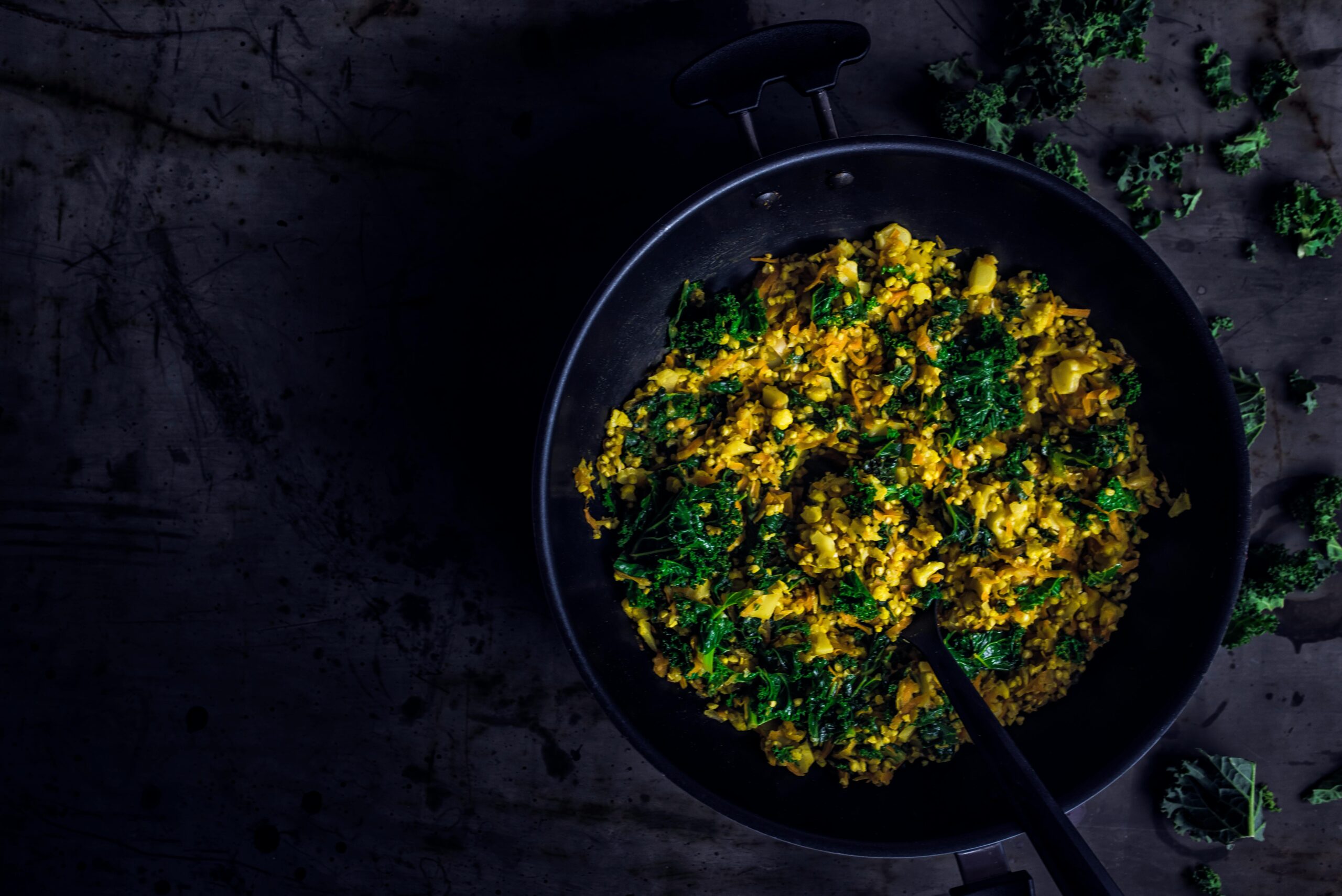
This fiber-rich, protein-packed dish combines vegetables with protein from moong dal — providing sustained energy without blood sugar spikes.
Ingredients (Serves 4)
- 1/2 cup split moong dal (yellow lentils), soaked for 30 minutes
- 1 small cabbage (about 400g), shredded
- 1 large onion, sliced
- 2 green chilies, slit
- 1 tsp mustard seeds
- 1/2 tsp cumin seeds
- 8-10 curry leaves
- 1/2 tsp turmeric powder
- 1/2 tsp red chili powder
- 1/4 tsp asafoetida (hing)
- 2 tbsp coconut oil or ghee
- Salt to taste
- Fresh coconut, grated (optional)
- Fresh coriander, chopped
Explore more : Heart Healthy Diet for Runners: Eat This for a Stronger Heart (with Indian Foods)
Preparation Method
Step 1: Soak moong dal for 30 minutes. Drain completely.
Step 2: Heat oil in a wide pan or kadhai. Add mustard seeds and let them pop.
Step 3: Add cumin seeds, curry leaves, and asafoetida. Sauté for 10 seconds.
Step 4: Add sliced onions and green chilies. Cook until onions soften, about 4-5 minutes.
Step 5: Add soaked moong dal (uncooked). Stir well and sauté for 2-3 minutes.
Step 6: Add shredded cabbage, turmeric, red chili powder, and salt. Mix thoroughly.
Step 7: Cover and cook on medium-low heat for 10-12 minutes, stirring occasionally. Cabbage will release water — don’t add extra water.
Step 8: Once cabbage is tender and dal is cooked (taste to check — it should be soft), uncover and cook for 2-3 more minutes to evaporate excess moisture.
Step 9: Garnish with grated coconut and fresh coriander.
Nutritional Information (Per Serving)
- Calories: 180
- Protein: 9g
- Fat: 8g
- Net Carbs: 15g
- Fiber: 7g
Runner’s Notes
This dish sits at the higher end of low-carb (15g net carbs) but the high fiber content (7g) means slow digestion and stable blood sugar.
Moong dal is one of the easiest-to-digest legumes, making it suitable even 2-3 hours before runs. It provides plant-based protein and B-vitamins that support energy metabolism.
Perfect for lunch on training days. The combination of protein, fiber, and moderate carbs provides sustained energy for afternoon or evening runs without feeling heavy.
Recipe 5: Egg Pepper Fry (Muttai Milagu Varuval)

This South Indian protein bomb takes 10 minutes to prepare and delivers 24g of protein with virtually zero carbs — ideal for quick post-run meals.
Ingredients (Serves 2)
- 4 large eggs, hard-boiled and peeled
- 1 large onion, sliced
- 2 green chilies, slit
- 1-2 tsp black pepper, coarsely crushed
- 1/2 tsp turmeric powder
- 1/2 tsp red chili powder (optional)
- 8-10 curry leaves
- 1/2 tsp fennel seeds
- 2 tbsp coconut oil or ghee
- Salt to taste
- Fresh coriander for garnish
Explore more : Ultimate Ultramarathon Nutrition Guide: Race Day Fueling Strategy (2026)
Preparation Method
Step 1: Hard-boil eggs, peel, and cut each into halves or quarters.
Step 2: Heat oil in a pan. Add fennel seeds and curry leaves. Let them crackle.
Step 3: Add sliced onions and green chilies. Sauté until onions turn golden brown, about 6-7 minutes.
Step 4: Add turmeric, red chili powder (if using), crushed black pepper, and salt. Mix well and cook for 1 minute.
Step 5: Gently add egg pieces. Toss carefully to coat with the spice mixture without breaking the eggs.
Step 6: Cook for 3-4 minutes on medium heat, turning eggs occasionally so all sides get coated with the masala.
Step 7: Garnish with fresh coriander and serve hot.
Nutritional Information (Per Serving)
- Calories: 290
- Protein: 24g
- Fat: 20g
- Net Carbs: 5g
- Fiber: 2g
Runner’s Notes
Eggs are the gold standard for protein quality — they contain all essential amino acids in perfect ratios for muscle recovery.
The healthy fats from egg yolks and coconut oil provide sustained energy and help absorb fat-soluble vitamins (A, D, E, K).
Make this immediately after morning runs for rapid protein delivery. Pair with sliced tomatoes and cucumbers for additional vitamins and hydration.
The black pepper contains piperine, which may enhance nutrient absorption and has anti-inflammatory properties beneficial for recovery.
Recipe 6: Cauliflower “Fried Rice” (Gobi Rice)
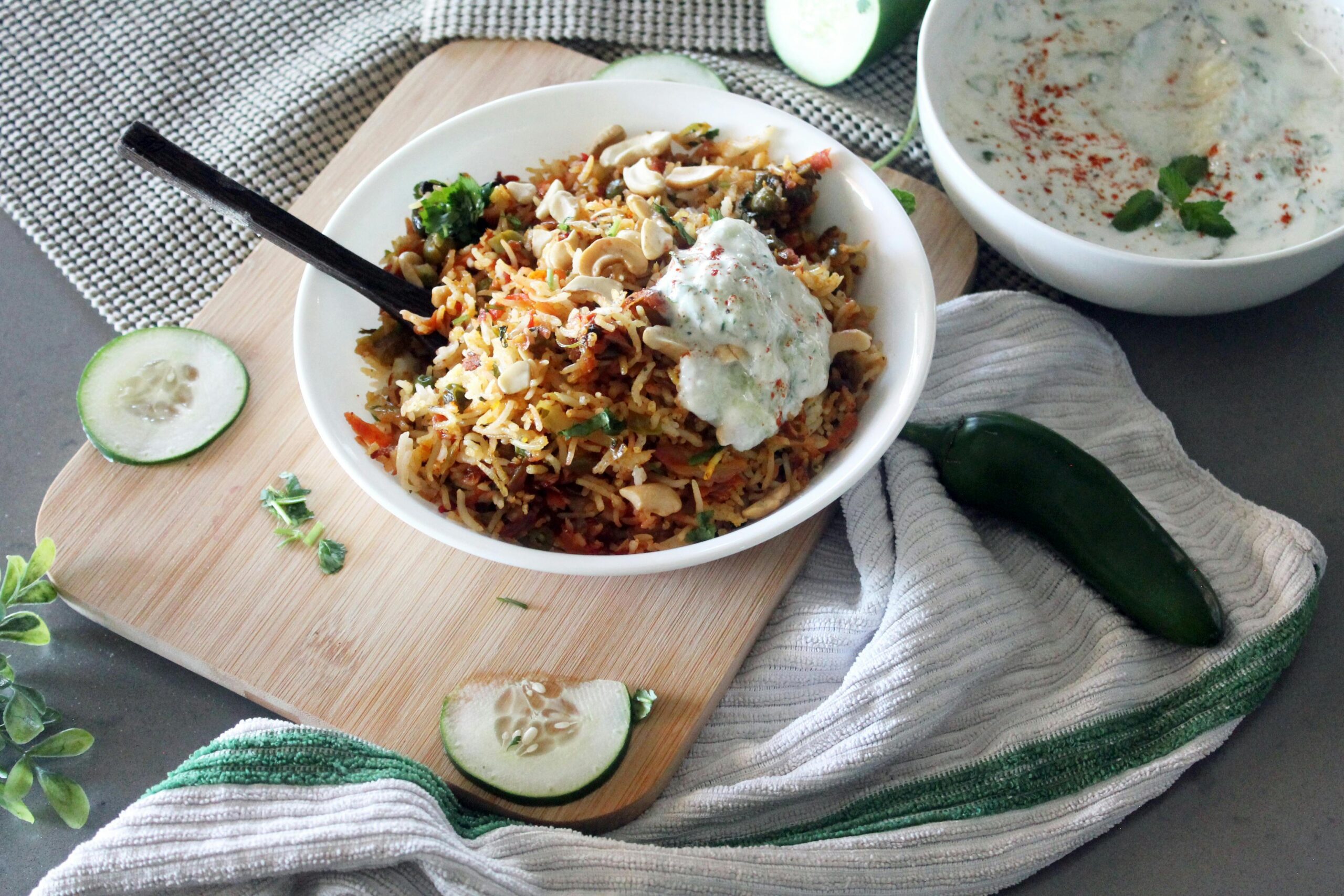
This low-carb alternative to traditional fried rice provides the satisfaction of a rice dish with 85% fewer carbs — perfect for runners wanting comfort food without the blood sugar crash.
Ingredients (Serves 4)
- 1 large cauliflower head, grated into rice-sized pieces
- 2 eggs, beaten (optional, skip for vegetarian version)
- 1 cup mixed vegetables (beans, carrots, bell peppers), finely chopped
- 1 large onion, chopped
- 3-4 garlic cloves, minced
- 1-inch ginger, minced
- 2 green chilies, chopped
- 3 tbsp soy sauce (or coconut aminos for lower sodium)
- 1 tsp vinegar
- 1/2 tsp black pepper powder
- 3 tbsp sesame oil or ghee
- Spring onions for garnish
- Salt to taste
Preparation Method
Step 1: Grate cauliflower using a box grater or pulse in food processor until rice-like. Don’t over-process into mush.
Step 2: Heat 1 tbsp oil in a large wok or kadhai. Add beaten eggs if using. Scramble and set aside.
Step 3: Heat remaining oil. Add garlic, ginger, and green chilies. Sauté for 1 minute.
Step 4: Add chopped onions and mixed vegetables. Stir-fry on high heat for 4-5 minutes until vegetables are slightly tender but still crisp.
Step 5: Add grated cauliflower rice. Stir-fry on high heat for 5-6 minutes. The goal is to cook it without making it mushy.
Step 6: Add soy sauce, vinegar, black pepper, and salt. Toss well to distribute flavors evenly.
Step 7: Add scrambled eggs back if used. Mix gently.
Step 8: Garnish with chopped spring onions and serve hot.
Explore more : Definitive Indian Marathon Nutrition Guide: This Will Ensure Guaranteed Success
Nutritional Information (Per Serving)
- Calories: 155
- Protein: 8g
- Fat: 11g
- Net Carbs: 7g
- Fiber: 4g
Runner’s Notes
Regular fried rice contains 45-50g carbs per serving. This cauliflower version delivers the same satisfaction with just 7g net carbs.
The eggs add protein for recovery. The vegetables provide vitamins and minerals lost through sweat during running.
This works beautifully as a lunch on easy run days or rest days. It’s filling enough to satisfy but light enough that you won’t feel sluggish.
Make double batches for meal prep. Stores well for 3-4 days and reheats quickly for busy weekday meals.
Recipe 7: Coconut-Almond Ladoo (Energy Balls)
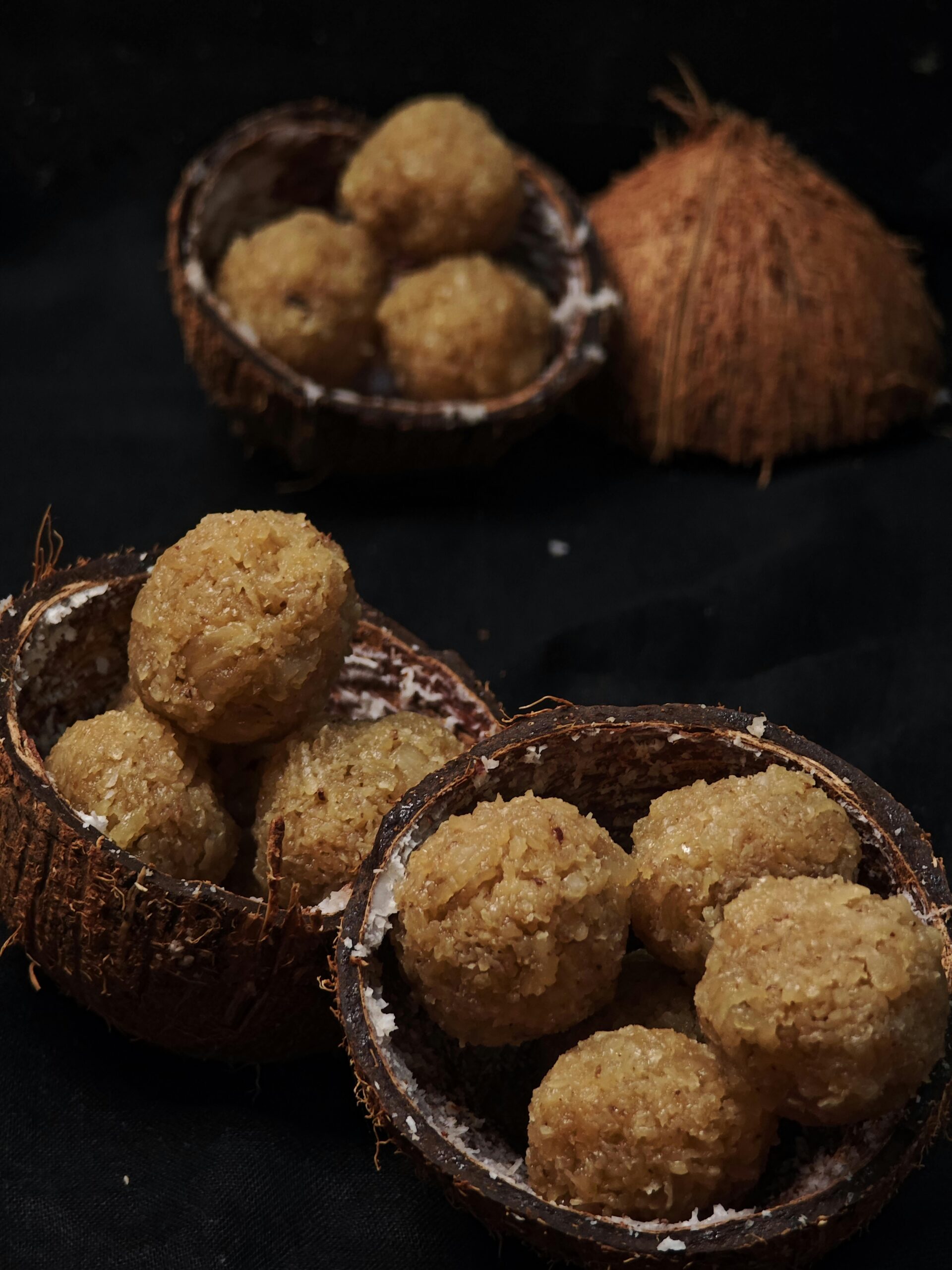
These portable energy bites provide quick fuel for pre-run snacks or mid-run energy without processed sugars or grain-based carbs.
Ingredients (Makes 16 ladoos)
- 1 cup desiccated coconut (unsweetened)
- 1/2 cup almond flour (or ground almonds)
- 1/4 cup ghee, melted
- 2 tbsp coconut oil
- 3 tbsp erythritol or monk fruit sweetener (or 2 tbsp honey for slightly higher carb version)
- 1/4 tsp cardamom powder
- 2 tbsp chia seeds
- 2 tbsp chopped almonds
- Pinch of salt
Preparation Method
Step 1: In a dry pan, lightly toast desiccated coconut on low heat for 2-3 minutes until fragrant. Don’t let it brown. Set aside to cool.
Step 2: In a mixing bowl, combine toasted coconut, almond flour, chia seeds, chopped almonds, cardamom powder, and salt.
Step 3: Add melted ghee, coconut oil, and sweetener. Mix thoroughly until the mixture holds together when pressed.
Step 4: Let the mixture rest for 5 minutes so chia seeds absorb moisture and help bind.
Step 5: Take small portions and roll into firm balls (slightly smaller than golf balls). Press firmly so they hold shape.
Step 6: Refrigerate for 30 minutes to set. Store in an airtight container in the refrigerator for up to 2 weeks.
Nutritional Information (Per Ladoo)
- Calories: 95
- Protein: 2g
- Fat: 9g
- Net Carbs: 2g
- Fiber: 2g
Runner’s Notes
These energy balls provide quick-access fuel from healthy fats and minimal carbs — perfect 30-60 minutes before morning runs.
The combination of coconut and almonds delivers medium-chain triglycerides (MCTs) that convert quickly to energy without spiking blood sugar.
Chia seeds provide omega-3 fatty acids and help bind the ladoos while adding fiber that slows digestion for sustained energy.
Eat 1-2 ladoos before easy runs for gentle energy. After hard workouts, pair with a protein source like Greek yogurt for balanced recovery.
These also work as mid-afternoon snacks on rest days, preventing energy crashes and reducing cravings for high-carb snacks.
Meal Timing for Low-Carb Running
These recipes work best when timed strategically around training:
Before Morning Runs
- Easy runs: 1-2 coconut-almond ladoos + black coffee
- Hard workouts: Egg pepper fry 2 hours before
Post-Run Recovery
- After easy runs: Mushroom spinach sabzi with cucumber salad
- After hard workouts: Methi chicken or tandoori fish
- After long runs: Cauliflower fried rice with extra eggs
Training Day Lunch
- Cabbage moong dal stir-fry
- Methi chicken with large salad
Rest Day Meals
- Any recipe, focusing on protein-rich options
- Keep carbs at lower end (10-20g per meal)
Common Mistakes to Avoid
Mistake 1: Not Eating Enough Fat
When you reduce carbs, you must increase fat intake to maintain energy. Don’t fear ghee, coconut oil, and fatty fish — they’re your primary fuel now.
Mistake 2: Expecting Immediate Performance Gains
Your body needs 2-3 weeks to adapt to using fat efficiently. Performance may temporarily dip. This is normal and temporary.
Mistake 3: Going Too Low on Carbs During Hard Training
Strategic carbs around intense workouts optimize performance. Don’t eliminate them entirely when training demands are high.
Mistake 4: Inadequate Protein
Runners need 1.4-1.8g protein per kg body weight. Ensure each meal contains 20-30g protein for optimal recovery.
Mistake 5: Forgetting Electrolytes
Low-carb diets cause initial water loss, taking electrolytes with it. Add 1/2 tsp salt to water daily, eat potassium-rich foods (avocado, spinach), and consider magnesium supplements.
Bottom Line: Low-Carb Indian Running Works
You don’t need pasta parties and rice mountains to fuel running. These seven Indian low carb recipes for runners prove you can eat delicious, familiar food while training effectively.
The best nutrition plan is the one you’ll follow consistently. If low-carb means eating bland, unfamiliar foods, you’ll quit. If it means eating methi chicken, tandoori fish, and coconut ladoos, you’ll sustain it for years.
Stop fighting your food preferences. Start using them to fuel better running.